
Picture your ops team trying to bring a new contractor, broker, or field partner onboard. There are spreadsheets for sales, email threads for compliance, a legacy portal for finance, and a trail of chat messages in between. Deadlines slip, people chase updates, and no one can answer the simple question: “Where is this vendor stuck right now?”
In a lot of these companies, a perfectly good marketing automation workflow is sitting right there in the tech stack—only used for nurture campaigns—while onboarding lives in chaos. That gap is a huge missed opportunity.
This piece shows how to turn that missed opportunity into a reliable onboarding backbone, without ripping out your CRM or retraining every team.
TL;DR
Most ops-heavy B2B onboarding journeys stretch across spreadsheets, inboxes, and legacy portals, so nobody sees the full path or the blockers.
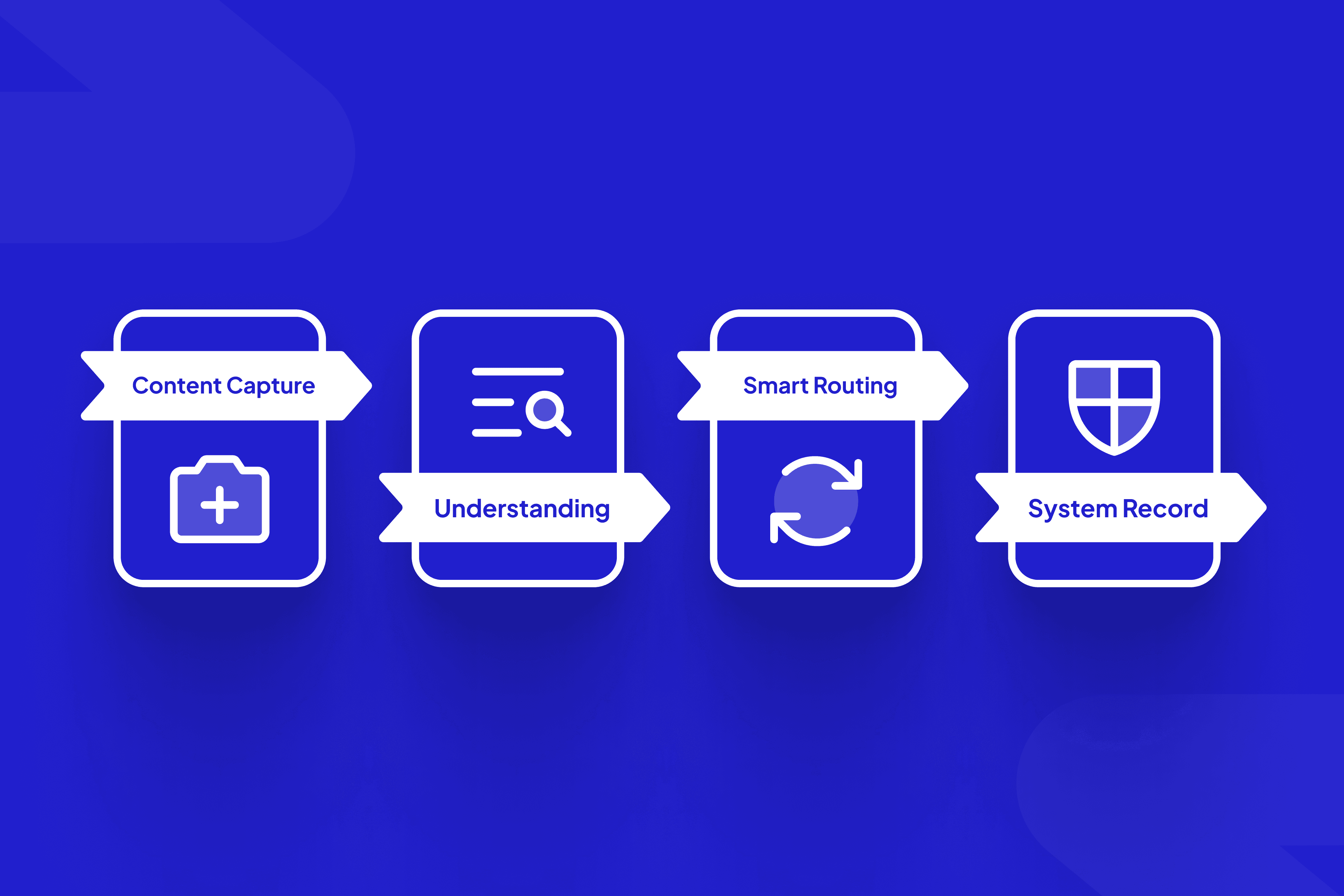
Your existing automated marketing workflow engine can coordinate onboarding around milestones and owners, not just MQL scores.
Designing the flow around clear states, SLAs, and alerts turns dropped handoffs into visible, fixable issues.
When standard tools hit their limits, a custom workflow app or portal can sit on top, connecting people, systems, and data in the “real economy.”
Table of contents
Why complex B2B onboarding breaks so easily
What is a marketing automation workflow for onboarding?
Signs your onboarding is ready for an automated workflow
Designing a milestone-based workflow (step-by-step)
Example: insurance broker onboarding field agents
Where marketing tools stop and custom workflow apps start
How ScaleLabs can help
Next steps
Why complex B2B onboarding breaks so easily
Too many systems, not enough visibility
Most vendor and client onboarding journeys grew organically over years. A CRM for deals. A ticketing tool for operations. Shared drives for KYC documents. An e-sign platform. Maybe a legacy vendor portal. Each tool holds a sliver of truth; none show the whole path.

So teams stitch the journey together in spreadsheets. Someone adds columns for “Ops review complete?” and “Compliance signed off?”. Someone else tweaks formulas so red cells mean trouble. That spreadsheet quietly becomes the real system of record, but only the person who maintains it truly understands it.
Every team owns a slice, no one owns the journey
Sales controls the early relationship, operations handles setup, compliance checks risk, finance sets up billing. Each group works hard on its own part, yet the experience for the vendor or client feels disjointed. When delays hit, people blame “the process,” but the process is just a collection of local habits.
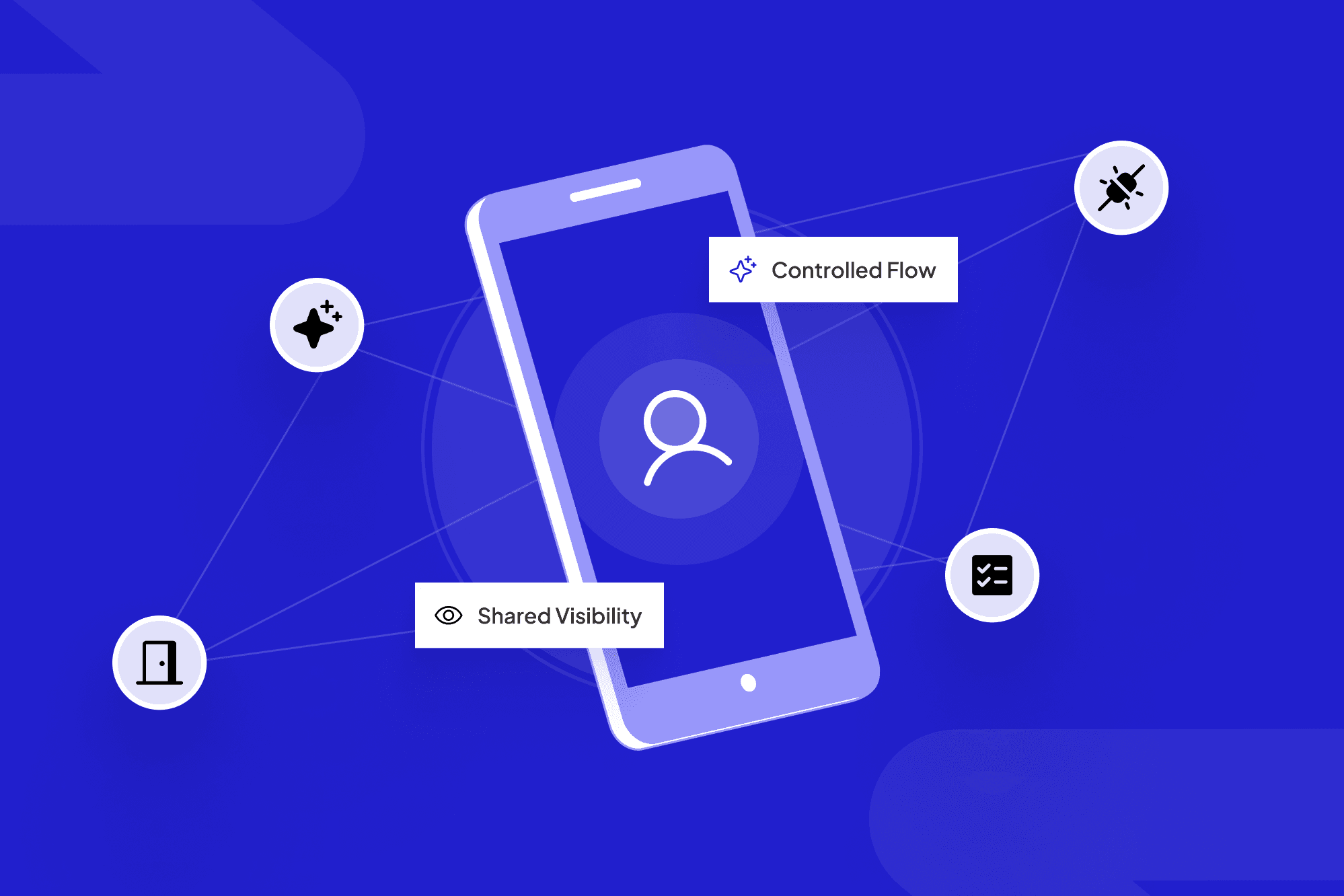
What’s missing is a shared view of status and next step. Without that, work stalls in inboxes and chat threads. You only notice once a partner escalates or an internal stakeholder asks for an update.
Spreadsheets as “shadow workflow engines”
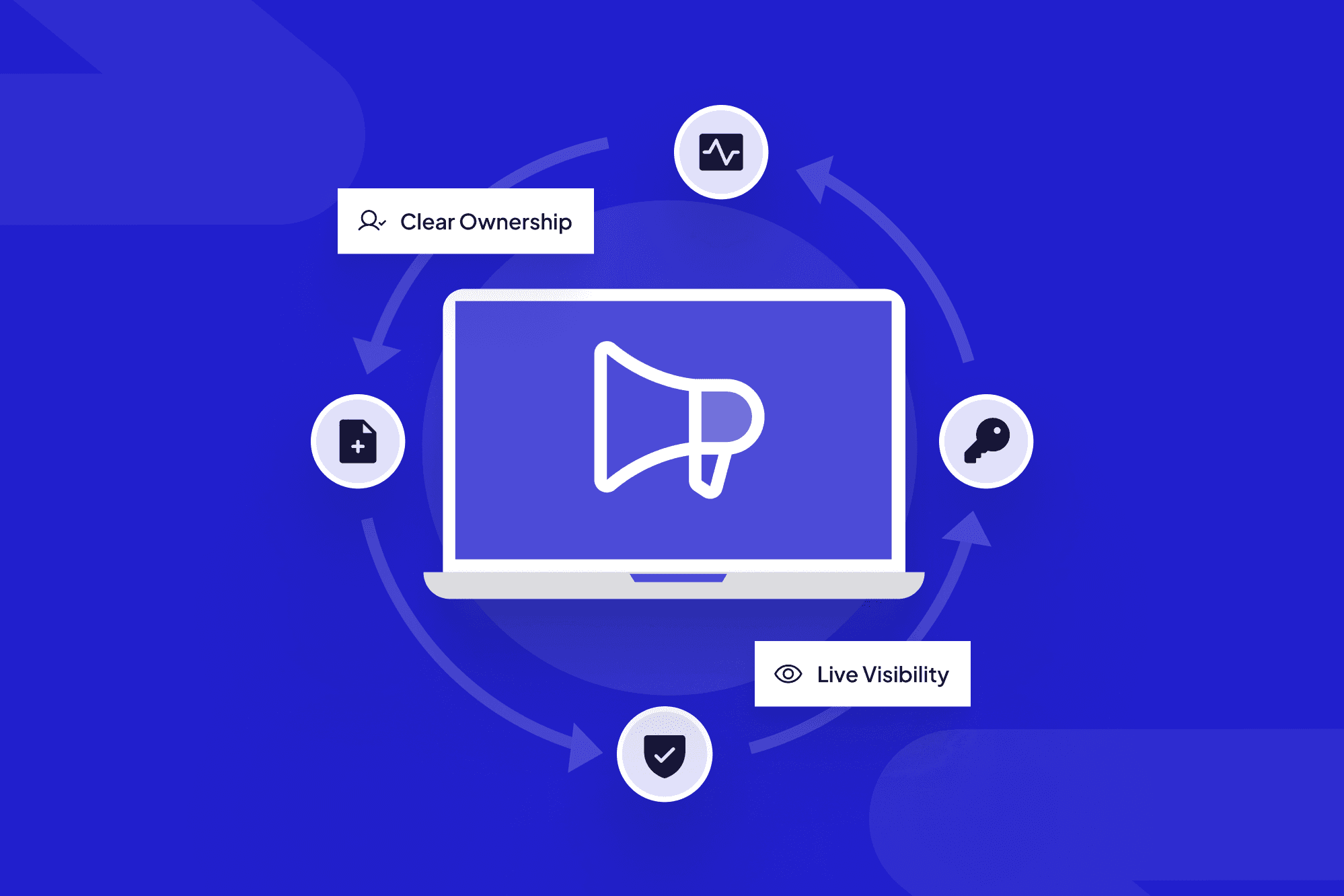
Those heroic spreadsheets and email rules are doing the job of a workflow engine, just without any guardrails. There is no single place that says “this onboarding is at Milestone 3; Ops owns it; they have three days left to respond; here are the emails the partner has received so far.”
This is where marketing teams quietly have an asset nobody else in the company is using: the automation platform that already sends triggered messages, routes tasks, and tracks engagement down to the individual. For a quick refresher on the basics, this overview of marketing automation gives a solid foundation.
“In many ops-heavy B2B companies, the real onboarding system is a fragile mix of spreadsheets and hero work, not the tools they already pay for.”
What is a marketing automation workflow for onboarding?
From campaigns to the coordination engine
In most organizations, the marketing automation workflow is built around leads and MQLs. A form fills in, a score changes, a nurture sequence starts, and at some point a salesperson gets a task.
For onboarding, you treat that same engine as a coordinator. The primary object is no longer a lead; it is an onboarding request tied to an account, a contact, and a set of required actions. Milestones, not email opens, become the backbone of the logic.
Key entities and data you need
To run onboarding on your automation stack, you usually need at least:
Company / account – who are you onboarding (legal entity, region, segment)?
Primary contact – who represents the vendor or client, and who owns the relationship internally?
Onboarding request – which product, service, or partner type are we enabling?
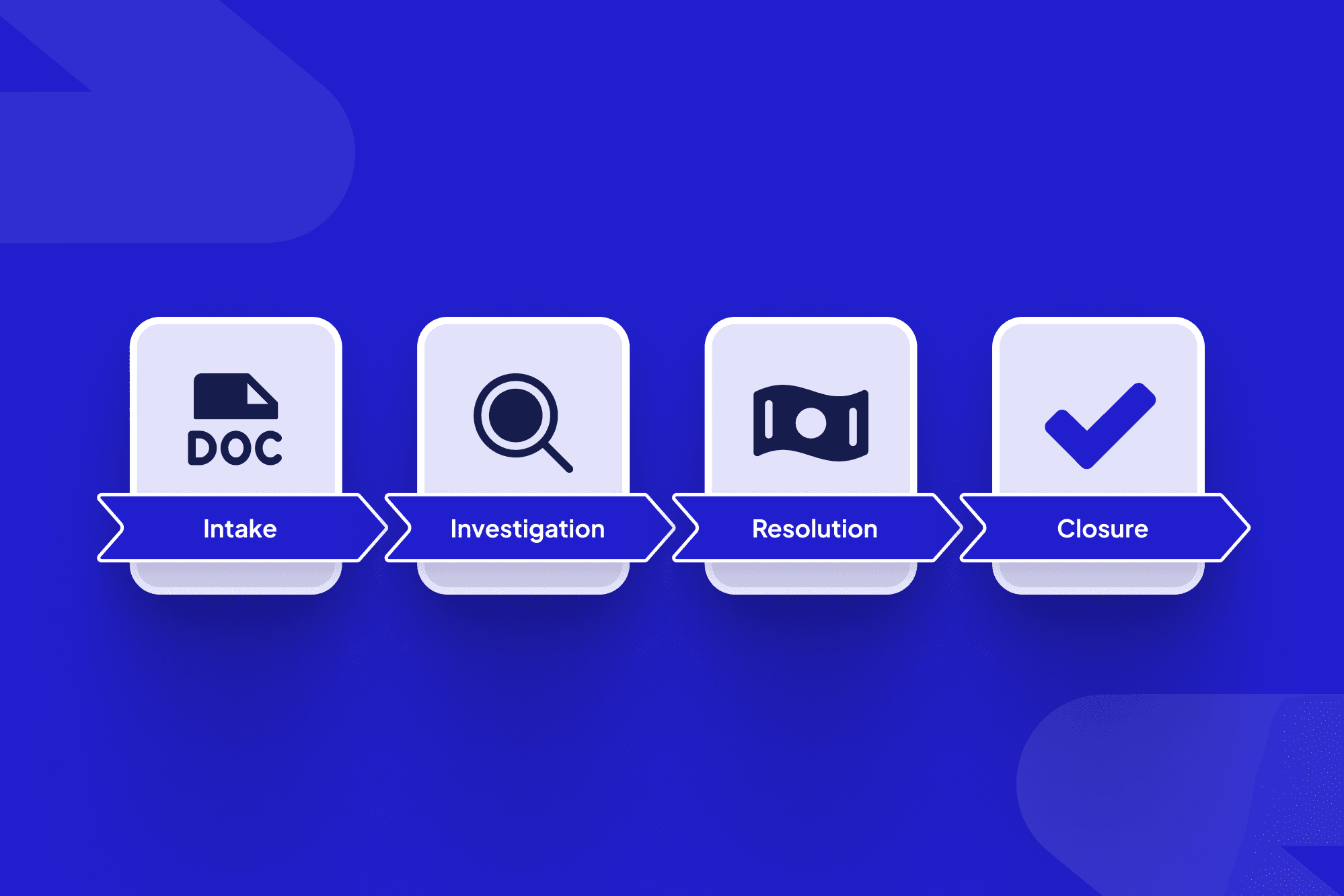
Milestones and statuses – the key stages that every onboarding passes through.
Documents and approvals – what needs to be collected, reviewed, or signed at each stage.
SLAs – how long each stage should take before someone gets an alert.
Email automation workflow vs. full orchestration
Many teams already run a basic email automation workflow for onboarding: a welcome email, a reminder if forms are missing, a thank-you note once everything is live. Helpful, but still a narrow slice.
A full onboarding workflow coordinates people and systems as well as messages. It can create internal tickets, trigger checks in third-party tools, set SLA timers, and update dashboards, all using the same event-driven model that already powers your campaigns.
For a broader perspective on end-to-end journey design, firms like McKinsey have published useful thinking on customer journeys and operational excellence.
Signs your onboarding is ready for an automated marketing workflow
What problems can a workflow like this solve?
In short: dropped handoffs, invisible delays, and partners left in the dark. Once onboarding runs on clear milestones, much of the “Where is this stuck?” work disappears, because the system updates people automatically.
You track onboarding status in at least two separate spreadsheets that different teams maintain.
Ops staff spend hours each week chasing colleagues for updates on where a request sits.
Vendors or clients ask, “Just checking in—any movement?” and nobody can answer in under a minute.
Marketing automation is in place for campaigns, but operations rarely log in to it.
Reporting on cycle time or drop-off points requires manual exports and one-off analysis.
If two or more of these feel familiar, you are in the sweet spot to treat onboarding as a first-class workflow instead of an improvised group effort.
Designing a milestone-based marketing automation workflow (step-by-step)

Step 1: Map the end-to-end onboarding journey
Take one representative onboarding path—say, bringing a new contractor into a service region—and sketch every step from “sales hands off” to “first job completed and paid.” Keep it grounded in reality: who does what, in which system, and what input moves things forward.
You are looking for 6–12 key milestones, not every micro-step. For example: Application submitted, KYC docs received, Risk approved, Agreement signed, Vendor set up in ERP, First work order completed.
Step 2: Define milestones, owners, and entry/exit rules
For each milestone, answer three questions:
What event means we have reached this milestone?
Who owns getting us through it?
What must happen before we can move on?
Think in terms of triggers and outcomes, not vague progress. If a compliance user flips an internal field to “Approved,” the onboarding request should automatically move to the next state and assign the next set of tasks.
Milestone | Owner | Entry criteria | Exit action |
Application submitted | Sales | Form complete, basic documents uploaded | Create “Onboarding request” record; notify Ops |
Compliance review | Compliance | Onboarding request created | Set status to Approved/Rejected; trigger next step |
Finance setup | Finance | Compliance status = Approved | Create vendor in ERP; set payment terms |
Ready for first work | Operations | Finance setup complete | Notify partner; schedule first job |
Step 3: Translate milestones into workflow logic
Inside your automation tool, create an object or list that represents an onboarding request. Then build a workflow where each milestone is a state with entry conditions, actions, and exit paths.
Example actions at a milestone might include:
Creating internal tasks for a specific queue or role.
Updating fields in CRM or ERP through integrations.
Sending alerts when SLA thresholds are close or missed.
Logging timestamps for cycle-time reporting.
Step 4: Keep vendors and clients in the loop
Use the same platform to send timely, clear messages to external partners. At each milestone, send a short email that explains where things stand, what happens next, and what you need from them, if anything.
This turns your email automation workflow into a predictable status line rather than one-off chasing. Because all communication flows from the same workflow, your team can always see the full message history and respond with context.
Step 5: Instrument SLAs, alerts, and exception handling
Once milestones and states are clear, layer on timers. For example: if a request sits in “Compliance review” for more than three business days, notify the team lead and flag the item on a dashboard.
Over time you will see patterns: which milestones cause the most delay, which teams are overloaded, and where better forms or automation would shorten cycle time. That becomes the input for ongoing improvement and more realistic onboarding metrics you can share with leadership.
If you need inspiration beyond your own process, resources that lay out onboarding automation best practices can help you pressure-test your milestones and SLAs.
Example: insurance broker onboarding field agents
To make this concrete, here is a simplified, fictional example that mirrors what many ops leaders describe in operations-heavy B2B firms.
A mid-market commercial insurance broker works with hundreds of independent field agents. Every new agent must pass licensing checks, submit documentation, sign agreements, and set up payment details before selling.
Today, onboarding sits across a CRM, an internal compliance database, shared drives, and email. Time from “agent verbally committed” to “first policy sold” ranges anywhere from a couple of weeks to a couple of months, and nobody can explain why.
The broker already pays for a well-known automation suite, mainly for outbound campaigns. Working with their operations and marketing teams, they redesign onboarding as follows:
Create an “Agent Onboarding” object tied to each agency account.
Define six milestones with clear owners (Sales, Compliance, Licensing, Finance).
Use workflows to trigger internal tasks, update systems, and send status emails at each milestone.
Set SLA timers—such as Compliance review within three days, Finance setup within two days.
Expose a simple status page where agents can upload documents and see where they stand.
Once the workflow is live, onboarding time starts to cluster around a predictable range instead of swinging wildly. Leaders finally have data on where requests stall and can staff or streamline accordingly, instead of guessing.
Where marketing tools stop and custom workflow apps start
There is a limit to how much you can bend a general-purpose marketing suite into an onboarding command center. At some point you may need purpose-built screens, external portals, and decision logic that sit on top of your existing tools.

Common signs you are reaching that point:
Partners must log in to upload documents, update details, or complete multi-step tasks.
Internal teams need a single console that pulls together data from CRM, finance, compliance, and field operations.
You want AI to check submissions, flag issues, or propose next steps, but the marketing platform only supports simple triggers.
This is where ScaleLabs workflow applications come in. They sit alongside your existing stack, connect to your CRM and automation tools, and enforce the real-world logic and permissions that operations teams depend on. For teams that need a shared login experience, ScaleLabs also builds vendor portal development that ties directly into your onboarding workflows.
How ScaleLabs can help
If your team already owns a marketing automation platform, you likely have most of the technology you need for trackable onboarding. What tends to be missing is the design: turning your real-world process into milestones, triggers, and clear responsibilities.
ScaleLabs works with operations, marketing, and IT leaders in the real economy to:
Map messy vendor and client onboarding journeys from first handoff to first revenue.
Redesign them as milestone-based workflows that real tools can actually run.
Wire up automation, CRM, and AI-driven workflow automation so partners always know what’s happening.
Instrument the flow with data, so you can see where onboarding gets stuck and test improvements with confidence.
If you want to explore this for your own business, you can book a call with the ScaleLabs team. The conversation stays practical: where handoffs break today, what your stack already includes, and which parts might benefit most from workflow automation or a custom portal.
Next steps: turning onboarding from chaos into a trackable ops machine
If you read this far and thought, “That’s us,” pick one high-value onboarding flow and run a small, focused experiment.
Spend 60–90 minutes with a cross-functional group mapping the current journey and choosing 6–10 milestones.
Configure a simple onboarding object and workflow inside your marketing automation platform that tracks those milestones.
Add just two elements for now: internal alerts when SLAs slip, and external status emails at each milestone.
Run it for a month, gather feedback from internal teams and a handful of partners, and refine.
The big shift is mental as much as technical: treat your marketing automation stack not only as a way to send campaigns, but as a shared control tower for the messy, high-stakes work of vendor and client onboarding. Once that mindset clicks, the spreadsheet chaos starts to give way to a trackable ops machine.