Procure to Pay Process Automation for Businesses

ScaleLabs helps ops-heavy B2B teams ship client portals and workflow automation that reduce email chaos, speed up onboarding, and improve visibility across the business.
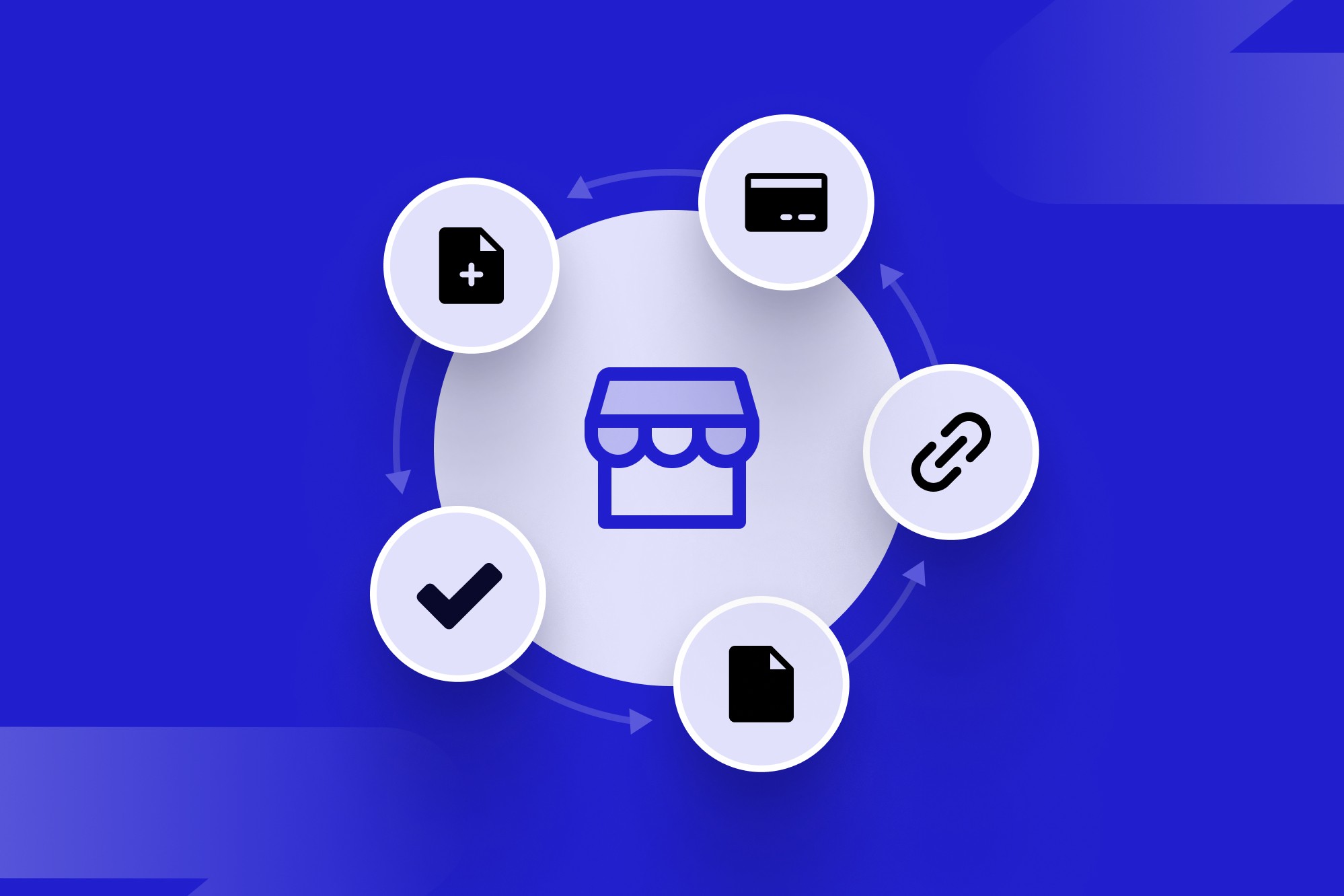
The procure to pay process is how a business purchases goods and services and pays its suppliers. It connects two critical teams, procurement and finance, ensuring every purchase request, approval, and payment is tracked in one system.
At its core, P2P covers everything from requesting a product to paying the vendor’s invoice. When done right, it helps organizations control spending, prevent duplicate payments, and build strong supplier relationships.
Modern companies are moving away from email-based or paper-based procurement and adopting digital workflows where purchase requests, approvals, and payments happen in one place, fast, transparent, and audit-ready.
Key Steps in the Procure to Pay Cycle
The P2P process involves a series of structured steps that link procurement with accounts payable.
Step
Description
1. Purchase Requisition
An employee identifies a need (like office equipment or materials) and submits a purchase request.
2. Purchase Order (PO)
Once approved, a formal purchase order is generated and sent to the vendor.
3. Goods Receipt
When the vendor delivers, the receiving team confirms that the correct quantity and quality were received.
4. Invoice Processing
The supplier sends an invoice referencing the PO; the finance team verifies it against the received goods.
5. Payment Processing
Once verified, payment is released through the company’s approved method, typically automated through accounting or ERP systems.
Each stage must be traceable and consistent to prevent fraud, missed payments, or unapproved purchases.
When these steps are disconnected, it leads to confusion, payment delays, and financial risk — which is why so many teams turn to P2P automation.
Where Manual P2P Systems Break Down
Many businesses still manage procurement through spreadsheets and emails. It seems manageable at first, but as purchase volumes grow, cracks start to appear.
Here’s where manual P2P processes often fail:
- Lost Approvals: Purchase requests get buried in inboxes, delaying operations.
- Duplicate Invoices: Without automated matching, finance teams risk paying the same vendor twice.
- Inaccurate Data: Manual entry errors cause mismatched records and audit issues.
- Slow Cycle Times: Payment approvals drag on because data must be verified manually across systems.
- Lack of Visibility: Procurement teams can’t track budgets or vendor performance in real time.
- Compliance Risks: Missing POs or mismatched records make it harder to pass audits cleanly.
When procurement and finance operate separately, companies lose control over their spending, and that’s where P2P automation becomes a game-changer.
How Automation Streamlines the P2P Cycle
Automating the procure-to-pay process removes manual work and builds a single connected workflow between purchasing, finance, and vendors.
A smart P2P system manages every step, from request to payment, in one place, reducing delays and improving accuracy.
Here’s how automation improves each stage:
- Purchase Requests: Employees use a digital form that automatically routes to the right manager for approval.
- Purchase Orders: The system creates POs automatically once requests are approved, saving hours of admin time.
- Invoice Matching: Automated three-way matching (PO, goods receipt, and invoice) ensures payment accuracy.
- Payments: Approved invoices trigger payments directly through integrated accounting or ERP tools.
- Vendor Management: Centralized vendor management profiles keep contracts, payment details, and performance data visible to everyone.
When your procurement and accounting portal systems talk to each other, there’s no double data entry or chasing down missing invoices. The workflow simply moves, reducing errors and freeing your team for strategic work.
Benefits of an Automated P2P Process
Automation doesn’t just make things faster; it changes how finance and procurement teams operate.
Here are the top benefits businesses see after adopting digital P2P workflows:
- Shorter Payment Cycles: Automated invoice processing cuts approval time from days to hours.
- Accurate Spend Tracking: Every transaction is logged, making budgeting and forecasting easier.
- Fewer Errors: Digital matching eliminates duplicate or incorrect payments.
- Improved Supplier Relationships: Vendors are paid on time, leading to better terms and trust.
- Audit-Ready Compliance: Every PO, invoice, and approval is traceable with timestamps.
- Operational Efficiency: Finance and procurement teams can focus on insights instead of admin work.
Automation turns procurement into a profit center, where spending is transparent, and decisions are based on real-time data.
Example: Digitizing Procurement in a Growing Business
Imagine a mid-sized manufacturer that processes over 400 purchase orders each month. Before automation, each PO was manually approved by department heads through email, taking up to five days per request.
Invoices arrived in mixed formats, requiring finance teams to verify each one manually before payment. Vendors were often paid late, and reporting spend data was nearly impossible.
After adopting an automated procure-to-pay portal, everything changed:
- Purchase requests are auto-routed to the right approvers.
- POs were generated automatically once approved.
- Invoices were matched against POs and goods receipts instantly.
- Payment reminders were triggered automatically before due dates.
The result?
Processing time dropped by 68%, late payments nearly disappeared, and the finance team gained full visibility into monthly spending.
Automation didn’t just save time; it made the procurement function more reliable, transparent, and scalable.
How ScaleLabs Builds Custom P2P Systems
At ScaleLabs, we don’t offer pre-built tools; we build custom procurement portals that fit how your business already works.
Our approach connects all moving parts of the procure-to-pay process through a single, intelligent system:
- Custom Workflows: We design approval paths that match your company hierarchy — no generic templates.
- ERP Integration: Seamless sync with systems like SAP, NetSuite, or QuickBooks to manage purchasing and payments.
- Vendor Portals: Give suppliers real-time access to POs, invoices, and payment statuses.
- Analytics Dashboard: Visualize total spend, pending invoices, and vendor performance in one dashboard.
- Secure Access: Role-based permissions keep sensitive data visible only to the right people.
Whether you’re managing local suppliers or global operations, ScaleLabs helps automate procurement with clarity and control, turning your P2P process into a strategic advantage instead of an operational task.
Conclusion: Turning Procurement Into a Strategic Advantage
A modern procure-to-pay process is more than automation; it’s visibility, accuracy, and speed in every transaction.
By digitizing each step from requisition to payment, companies gain real-time insights, reduce errors, and build stronger vendor relationships. Instead of chasing invoices or approvals, your teams can focus on performance and cost optimization.
When manual work disappears, decisions become faster, and every dollar spent starts delivering measurable value.