Complete Guide to Digital Content Workflow Systems

ScaleLabs helps ops-heavy B2B teams ship client portals and workflow automation that reduce email chaos, speed up onboarding, and improve visibility across the business.
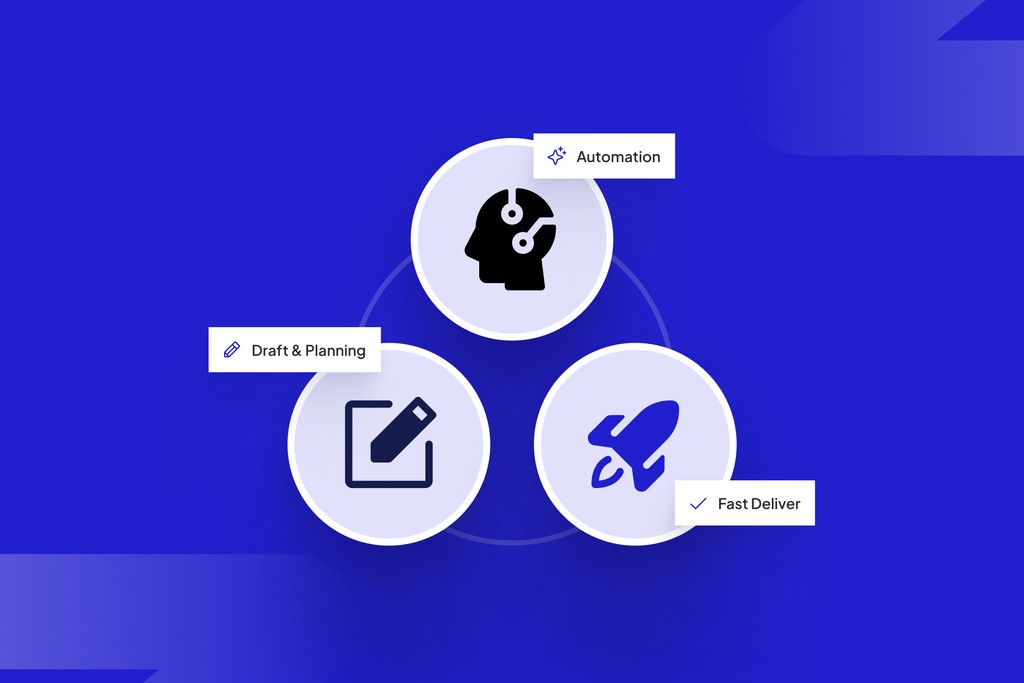
A digital content workflow is the structured sequence of steps that guide how content moves from concept to publication, and sometimes even beyond, into performance tracking and updates. It’s the foundation of modern content operations.
Think of it like a production line for creativity: every stage has a purpose, every person has a role, and every piece of content follows a consistent process. Instead of juggling spreadsheets, Slack threads, and drive folders, a defined workflow keeps everything in sync, from ideation and copywriting to design, review, and launch.
For growing brands, digital content workflows are what turn chaos into consistency. They ensure that multiple teams (marketing, design, SEO, and management) work from a single marketing automated system of record, reducing time waste and improving output quality.
Why a Defined Workflow Matters for Content Teams
A defined workflow is what separates teams that publish randomly from those that publish with purpose. Without it, deadlines slip, assets get lost, and no one knows who’s responsible for what.
A well-built digital content creation workflow helps teams:
- Speed up production by automating handoffs between writers, editors, and designers.
- Maintain brand voice by using standardized templates, tone guides, and review checkpoints.
- Improve accountability by assigning owners for each stage. No more “Who’s reviewing this?” messages.
- Centralize collaboration with shared access to drafts, design files, and analytics.
In short, it keeps the creative energy high while eliminating operational friction.
Key Stages of a Digital Content Creation Workflow

Every digital content workflow follows a clear journey, from the moment an idea forms to the point it reaches your audience. Here’s how that typically unfolds:
- Ideation & Research
This is where ideas come to life. Teams brainstorm based on SEO insights, audience needs, and campaign goals. Keyword research, trend monitoring, and competitor analysis guide which topics are worth pursuing. The goal is to align creativity with measurable business outcomes.
- Planning & Briefing
Once a topic is approved, it’s time to organize. This step defines the client implementation engine, who’s responsible for what, what the deliverables are, and how success will be measured. A strong content brief, with tone, target persona, and examples - saves hours of back-and-forth later. Tools like Notion, Asana, or ScaleLabs’ own content portals make this process smoother.
- Creation
Writers, designers, and video editors get to work. This is where creativity meets structure — content is built around briefs, approved keywords, and tone guidelines. AI-powered tools can assist with outlines or draft generation, but final storytelling still comes from human touch.
- Review & Approval
The most important checkpoint. Editors ensure accuracy, voice consistency, and compliance. Feedback loops are managed through workflow platforms, so revisions happen faster and with less confusion. Clear version control avoids mix-ups between draft versions and final copies.
- Publishing
Once approved, the content moves to publication. This can mean posting a blog on WordPress, pushing a video to YouTube, or scheduling social posts across channels. Smart workflows integrate with publishing tools to automate this process, reducing manual uploads and formatting errors.
- Performance Tracking & Optimization
The workflow doesn’t end after publishing. Teams monitor metrics like engagement, impressions, and conversions to learn what works. Insights from analytics tools feed back into the ideation stage, creating a cycle of continuous improvement for future content.
Common Bottlenecks in Content Workflows (and How to Fix Them)
Even the best teams run into slowdowns. Most workflow issues don’t come from a lack of effort; they come from a lack of structure. Here are a few of the most common roadblocks in a digital content creation workflow, and how to overcome them:
- Unclear Ownership: When multiple people touch a project, accountability can vanish. The fix is simple: assign a clear owner for each stage, writer, editor, designer, and publisher. With due dates visible in one shared dashboard.
- Version Confusion: Email threads and shared drives often lead to multiple versions of the same document. Using workflow platforms like Notion, ClickUp, or a ScaleLabs custom content portal ensures everyone edits the same live file, no more “Final_v5_NEW” chaos.
- Manual Approvals: Waiting on feedback through endless emails slows everything down. Setting up automated reminders or in-platform comment approvals can shave days off the cycle.
- Disconnected Tools: When your content lives in five different tools - docs, chat, design, CMS, and analytics, progress tracking gets messy. Integrating these tools into one central workflow system is key. It gives your team visibility on what’s done and what’s next.
- No Performance Feedback Loop: Publishing is only half the story. Without clear tracking and reporting, you can’t tell what content is driving value. Connecting analytics dashboards directly to the workflow (like ScaleLabs portals allow) helps close that loop and guide smarter content planning.
Pro tip: Create a short “post-mortem” for every campaign. What worked, what didn’t, and what to repeat next time. That’s how workflows evolve from good to great.
Digital Workflow and Content Management Platforms
To manage content efficiently, you need more than spreadsheets and shared folders. A digital workflow platform acts as the brain of your content operations, coordinating people, files, and approvals across multiple channels.
Here are a few categories of tools used in modern content teams:
When these tools are connected under one workflow, content moves faster and stays consistent. ScaleLabs, for instance, builds custom digital content workflow portals that integrate creation, review, and analytics, giving marketing teams a single command center to manage it all.
Automation in Content Workflows: Where AI Makes the Difference

Automation is where content teams gain real speed and consistency.
Instead of spending time on repetitive admin work. Like tagging files, assigning editors, or following up for reviews, AI can quietly handle those steps behind the scenes.
Here’s how AI automation improves the digital content workflow at every stage:
- Smart task routing: Once a draft is ready, it’s automatically sent to the next reviewer or designer. No manual DMs or emails needed.
- Auto-generated summaries: AI can create quick overviews of each draft for faster approvals, especially in large teams.
- Content tagging and filing: Machine learning can organize content by topic, author, or format, making future searches easier.
- Automated publishing: Once final approval is given, the workflow tool can schedule posts on CMS platforms or social channels at set times.
- Real-time analytics: Dashboards update engagement, views, and conversions instantly, giving teams immediate insight into performance.
Automation doesn’t replace creativity; it protects it. By handling the busywork, AI gives your writers, designers, and editors more room to focus on what actually moves the needle: storytelling and strategy.
Best Practices for Building a Scalable Digital Content Workflow
The more your content operation grows, the harder it becomes to keep everyone aligned. A scalable workflow is one that can expand without creating confusion or slowing people down.
Here’s what helps:
- Standardize the process: Create templates for briefs, outlines, and reviews so every new piece of content follows the same high-quality path.
- Centralize your tools: Pick a single hub where content lives. Whether that’s a CMS or a custom ScaleLabs portal, and integrate design, feedback, and analytics there.
- Build feedback loops: Make it a habit to review performance data monthly. What content performed best? Which workflows took too long? Adjust based on real insights.
- Document every role: A scalable workflow depends on clarity. Everyone should know their exact part in the process and who takes over next.
- Use automation, but keep human checkpoints: Automation can handle 80% of the work, but final sign-offs, quality control, and tone still need a human eye.
When teams follow these principles, they spend less time managing chaos and more time publishing content that drives results.
How ScaleLabs Builds Smarter Digital Workflow Systems

At ScaleLabs, we believe content shouldn’t get stuck between spreadsheets and Slack messages. Our custom-built digital content workflow systems help teams bring everything - strategy, creation, review, and analytics - into one place.
Each portal is designed to match how your team already works. That means automated task routing, built-in content calendars, version tracking, and secure access for writers, editors, and managers. It’s not a generic software you have to adapt to; it’s a custom system that adapts to you.
Whether you’re managing ten articles a month or a full global content pipeline, ScaleLabs builds the framework that keeps your publishing consistent and measurable. With integrated automation, real-time collaboration, and built-in analytics, your content team spends less time chasing updates and more time creating impact.
If your marketing team is juggling too many tools or losing visibility between content stages, it’s time to simplify. A smarter workflow isn’t just about speed; it’s about control, clarity, and creative flow.
Want to see how your team could manage every part of content creation in one system? Reach out to ScaleLabs and let’s design a workflow that fits your business perfectly.
FAQs About Digital Content Workflows
What is a digital content workflow, and why is it important?
A digital content workflow defines how content moves from planning to publishing in a structured way. It’s important because it keeps teams aligned, reduces duplicate work, and improves content quality. Without a defined workflow, projects often face delays, unclear ownership, and inconsistent messaging.
How do automation tools improve content workflows?
Automation tools handle repetitive or administrative steps in the process. For example, they can automatically assign tasks, notify reviewers, update progress statuses, or even schedule posts once approved. This saves time and helps teams focus on strategy and creativity instead of managing logistics.
Which platforms are best for managing a digital content workflow?
Popular platforms like Asana, Notion, ClickUp, and Contentful help teams plan, collaborate, and publish effectively. For growing companies that need something more specific, a custom ScaleLabs workflow portal offers deeper integrations, document management, and real-time analytics in one secure place.
How can AI fit into a content workflow without replacing human creativity?
AI works best when it supports creative teams rather than replaces them. It can help summarize briefs, suggest SEO keywords, track engagement data, or identify publishing bottlenecks. But final editing, storytelling, and brand tone still depend on human review to keep content authentic.
What are the common challenges teams face when scaling content production?
As teams grow, challenges often include version confusion, unclear approvals, and tool overload. Centralizing all content under one workflow system solves most of these issues. It brings transparency, automates reminders, and makes it easier to track every stage of production.
How can ScaleLabs help streamline digital content operations?
ScaleLabs builds custom workflow and content management systems that connect every part of your publishing cycle, from idea submission to final review. Teams can collaborate in real time, track progress with dashboards, and analyze performance without switching between tools. It’s an all-in-one system designed for scalability and control.